Six of the World’s Best Multi-Day Hikes Compared

Guest post by Magical Nepal LLC (Updated Oct 26)
⏱️ 12 minutes
Picking a multi-day hike can be extremely complex but also come down to four numbers: how many days, how high (or difficult), how much, and how far ahead the beds have to be booked. Everest Base Camp is the highest of the classics at 5,545 m over 12 to 14 days. The Tour du Mont Blanc and Alta Via 1 in Dolomites deliver Alpine huts and hot dinners with no altitude risk. Mount Rinjani in Indonesia packs a volcano summit into three days. Valbona to Theth in Albania is the cheapest of the lot, and Patagonia’s W Trek is the most expensive per day. Here is how all six compare.
This post may contain a few affiliate links, meaning if you make a purchase through them we may earn a small commission at no extra cost to you and we could afford something for baby Lara.
Table of Contents
Key Takeaways
- Highest and hardest: Everest Base Camp, 5,545 m, 12 to 14 days, guided.
- Best hut network: Tour du Mont Blanc and Alta Via 1, with half board and no tent needed.
- Shortest big payoff: Mount Rinjani, a 3,726 m volcano summit in three intense days.
- Cheapest: Valbona to Theth in Albania, a single day over a 1,759 m pass for under EUR 50.
- Most expensive per day: the W Trek in Torres del Paine, with refugio dorms from USD 80.
- Book earliest: the W Trek and Tour du Mont Blanc, where beds sell out five to eight months ahead.
- Altitude sickness is a factor on exactly two of these six routes.
How Do the Six Hikes Compare at a Glance?
The table below is the fastest way to narrow the list. Difficulty here means the combination of daily hours, altitude, and remoteness rather than technical skill, since none of these six requires ropes or climbing experience.
| Hike | Country | Days | Distance | Highest point | Sleeping | Guided cost | Book ahead |
| Everest Base Camp | Nepal | 12 to 14 | 130 km | 5,545 m | Teahouses | USD 1,200 to 1,900 | 3 to 6 months |
| Tour du Mont Blanc | France, Italy, Switzerland | 10 to 11 | 170 km | 2,665 m | Mountain refuges | EUR 1,400 to 2,200 | 5 to 8 months |
| Alta Via 1 | Italy (Dolomites) | 8 to 10 | 120 km | 2,750 m | Rifugi | EUR 1,000 to 1,600 | 4 to 6 months |
| Mount Rinjani | Indonesia (Lombok) | 2 to 3 | 30 km | 3,726 m | Camping | USD 150 to 300 | 1 to 2 weeks |
| Valbona to Theth | Albania | 1, or 10 as a circuit | 17 km, or 192 km | 1,759 m | Guesthouses | EUR 30 to 50 per day | 2 to 4 weeks |
| W Trek, Torres del Paine | Chile | 4 to 5 | 80 km | 1,200 m | Refugios, camping | USD 900 to 1,800 | 5 to 8 months |
Two things stand out. Cumulative ascent matters more than the headline altitude, and the Tour du Mont Blanc climbs around 10,000 m in total against roughly 6,000 m on the Everest route. And the cheapest hike on the list costs less for ten days than the W Trek costs for two.
1. Everest Base Camp, Nepal: The Highest of the Classics
The highest-altitude hike on this list, walking 130 km round trip from Lukla to Gorak Shep at 5,164 m, with the viewpoint at Kala Patthar reaching 5,545 m. It takes 12 to 14 days, including two acclimatisation days, and involves no climbing at all.
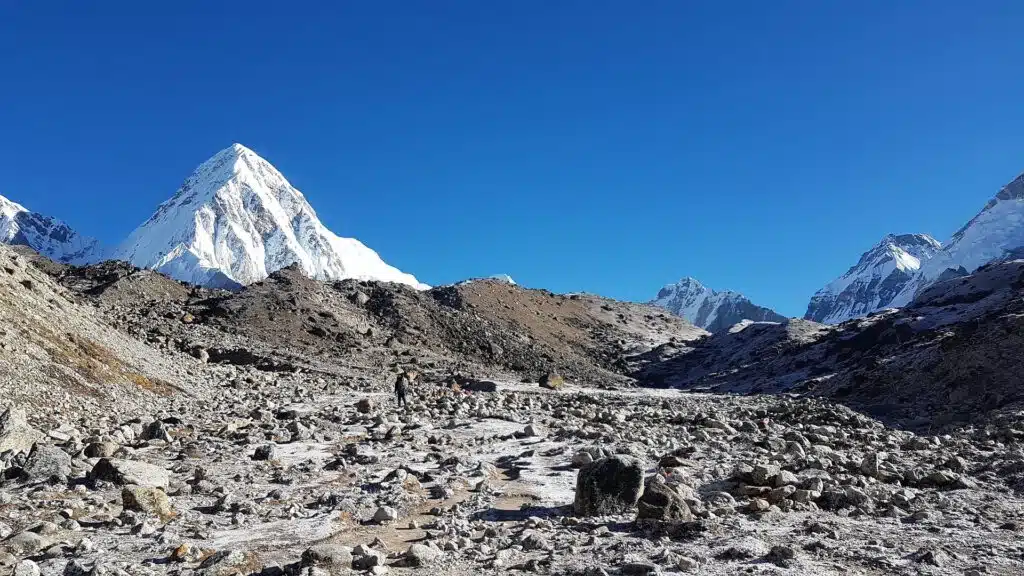
The route is a teahouse walk. Family-run lodges every one to two hours provide a twin room and three cooked meals, so nobody carries a tent, and the standard Trek to Everest Base Camp itinerary sleeps in villages rather than on the mountain.
| Detail | Everest Base Camp |
| Days | 12 to 14 |
| Daily walking | 5 to 7 hours |
| High point | 5,545 m (Kala Patthar) |
| Highest sleep | 5,164 m (Gorak Shep) |
| Access | 30-minute flight to Lukla, USD 220 to 240 each way |
| Permits | NPR 6,000 total, paid in cash on the trail |
| Guide | Compulsory since April 2023 |
| Best months | October to November, late March to April |
What makes it harder than the European routes is not the walking but the air. At Gorak Shep, the atmosphere holds roughly half the oxygen of sea level; nobody sleeps properly above 4,000 m, and appetite disappears for the last few days.
The honest downsides: rooms are unheated and drop to minus 10 to minus 15°C at night in October, showers stop being practical above 4,000 m, the final two nights have shared outdoor toilets at any price, and Lukla flights are cancelled in roughly one departure in four during peak season. Keep a buffer day before the flight home.
What it gives back is scale; nothing else here matches. Everest, Lhotse, Nuptse and Ama Dablam from a single ridge at dawn, and the best lodge infrastructure of any high-altitude trail in the world.
2. Tour du Mont Blanc: The Alpine Benchmark
A 170 km loop around the Mont Blanc massif across France, Italy and Switzerland, taking 10 to 11 days with a high point of 2,665 m. It is the most-walked long hike in Europe and the benchmark against which the others are measured.
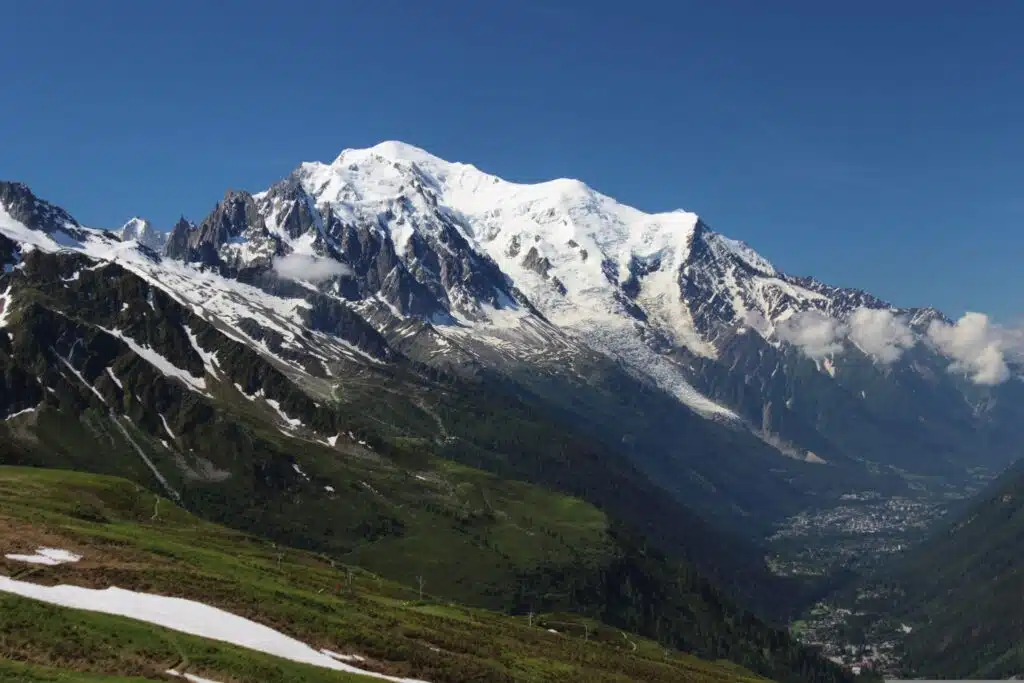
The appeal is the combination of serious daily effort and genuinely good food at the end of it. Refuges serve half board for EUR 60 to 90 a night, the dormitories are warm, and the route passes through Chamonix, Courmayeur and Champex, so resupply and bail-out points are frequent.
Cumulative ascent is the number to respect. Around 10,000 m of climbing and the same again descending, which is more total vertical than the Everest route despite topping out 2,900 m lower.
| Detail | Tour du Mont Blanc |
| Days | 10 to 11, or 7 with bus shortcuts |
| Daily ascent | 700 to 1,200 m |
| Cumulative ascent | around 10,000 m |
| Sleeping | Refuges, half board EUR 60 to 90 |
| Season | Late June to mid-September |
| Booking | Refuges open in January and sell out by spring |
| Guide | Not required |
The one real frustration is the booking. Refuge beds for July and August are gone by March, and walking it without reservations in high season means long detours to valley hotels.
3. Alta Via 1, Dolomites: The Best Scenery Per Day
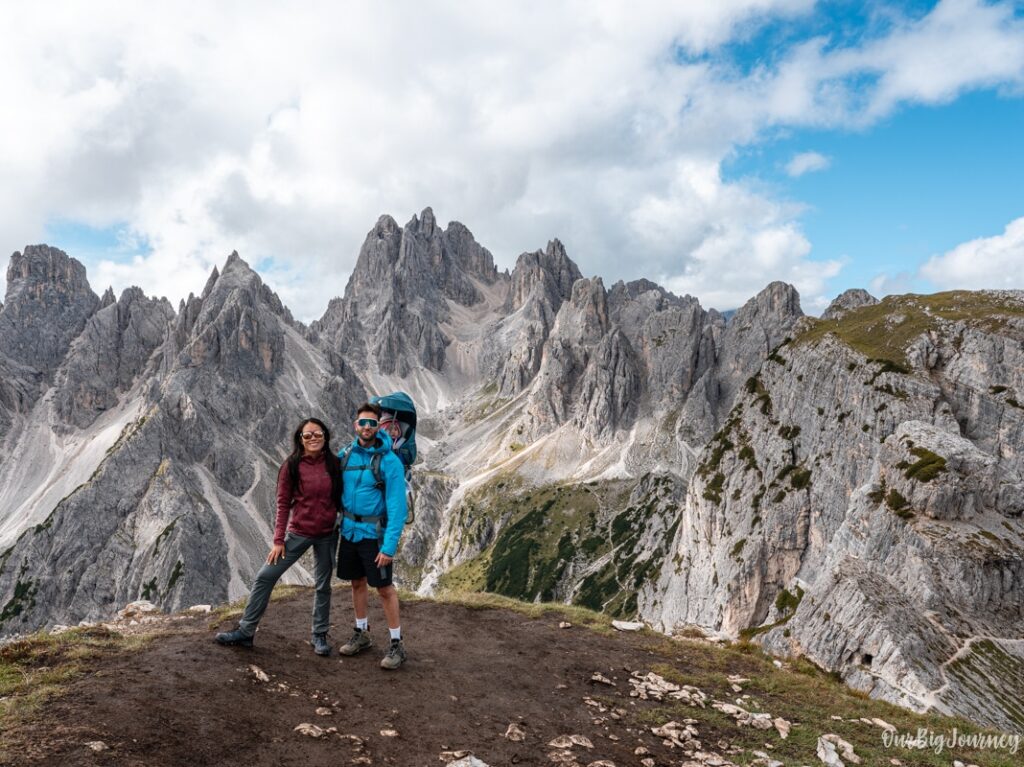
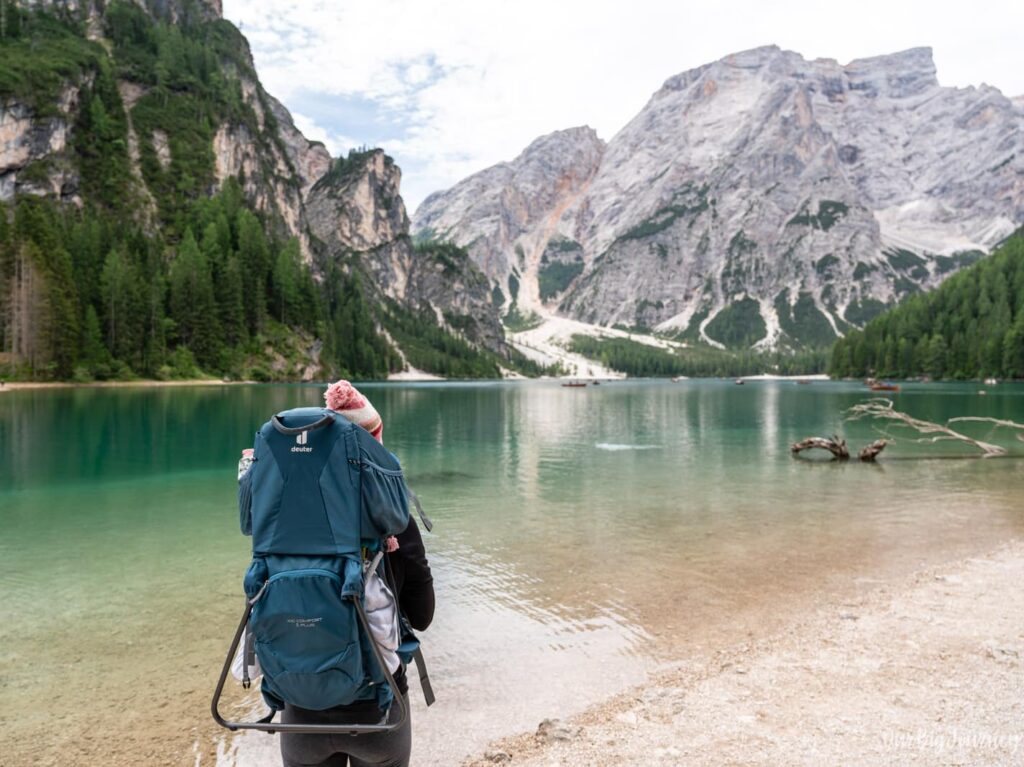
A 120 km traverse of the Dolomites from Lago di Braies south to Belluno, taking 8 to 10 days with a high point around 2,750 m. For sheer density of dramatic rock scenery, it is the strongest route on this list.
The rifugi are the draw alongside the limestone. Half board runs EUR 60 to 80, the food is properly good in a way mountain huts rarely manage, and the terraces look out at the Tofane, Civetta and Pelmo massifs.
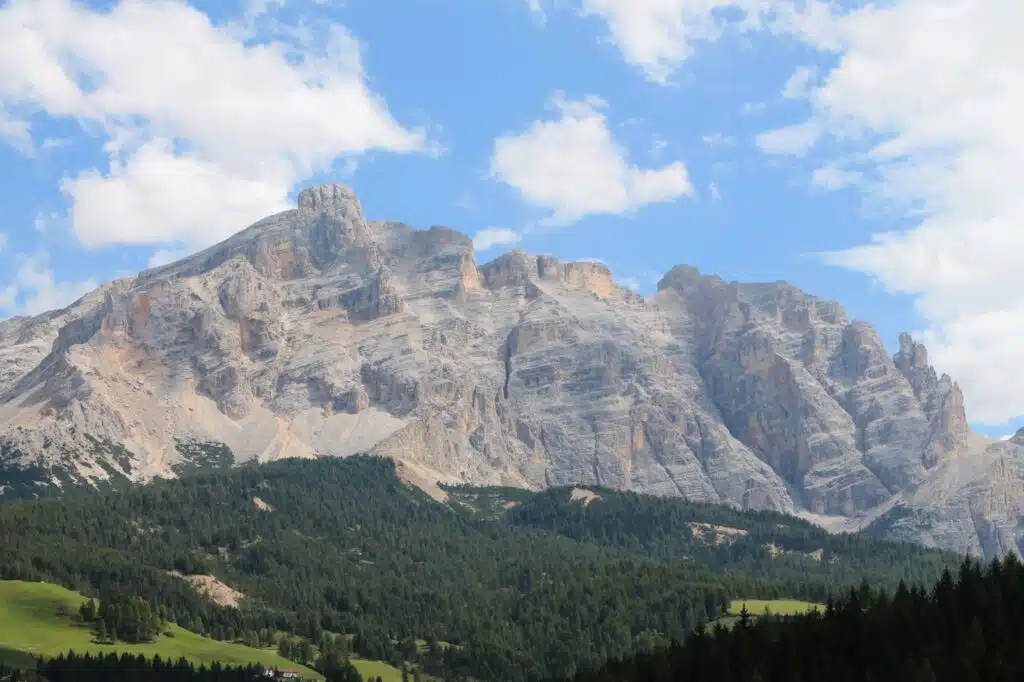
Some sections cross exposed ground with fixed cables, though Alta Via 1 avoids the technical via ferrata that Alta Via 2 includes. Hikers comfortable on steep paths need no climbing kit for the standard route.
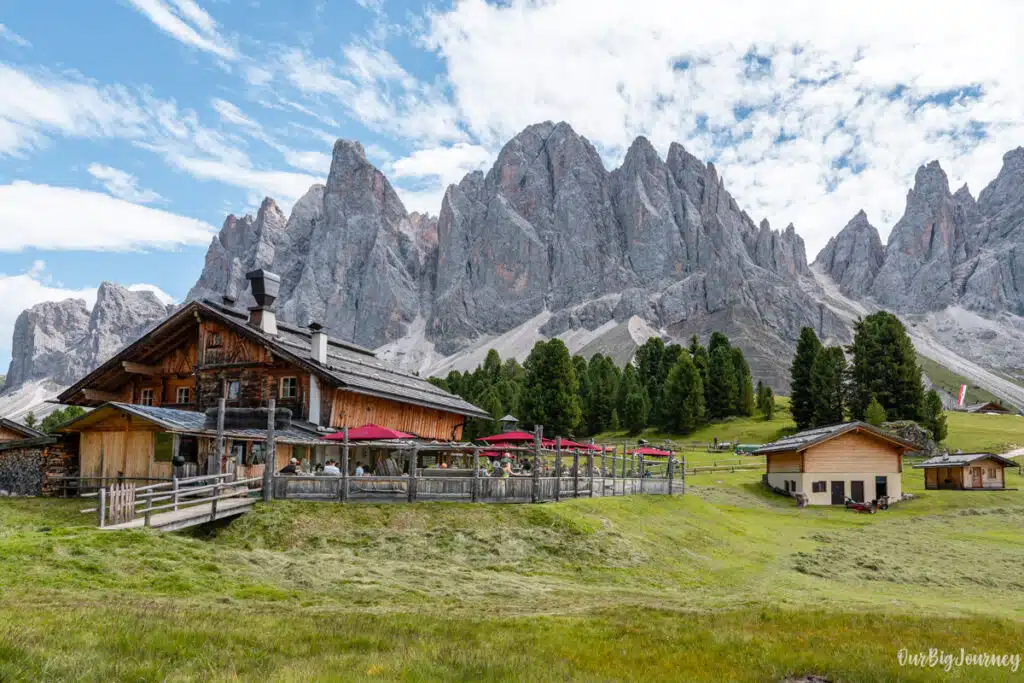
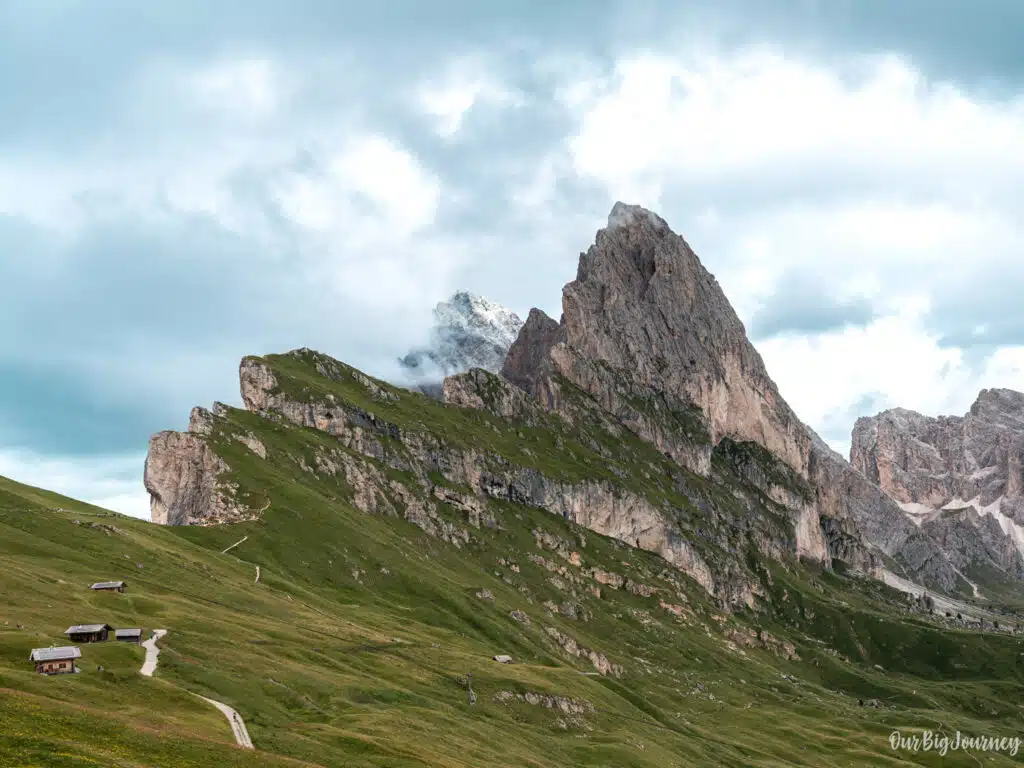
Adolf Munkel Trail | Val di Funes in the Dolomites
The best views in a rifugio in your life can be shared with epic food here.
Practical notes worth knowing: the trail is best walked north to south so the hardest climbs come while legs are fresh, buses connect both ends, and late June can still hold snow on the higher passes.
4. Mount Rinjani, Indonesia: The Biggest Payoff in Three Days
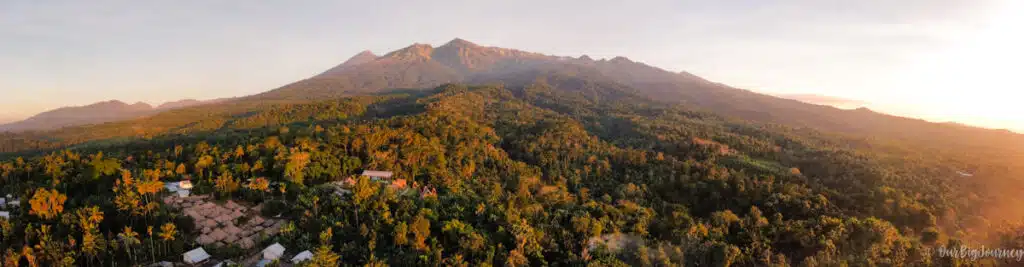
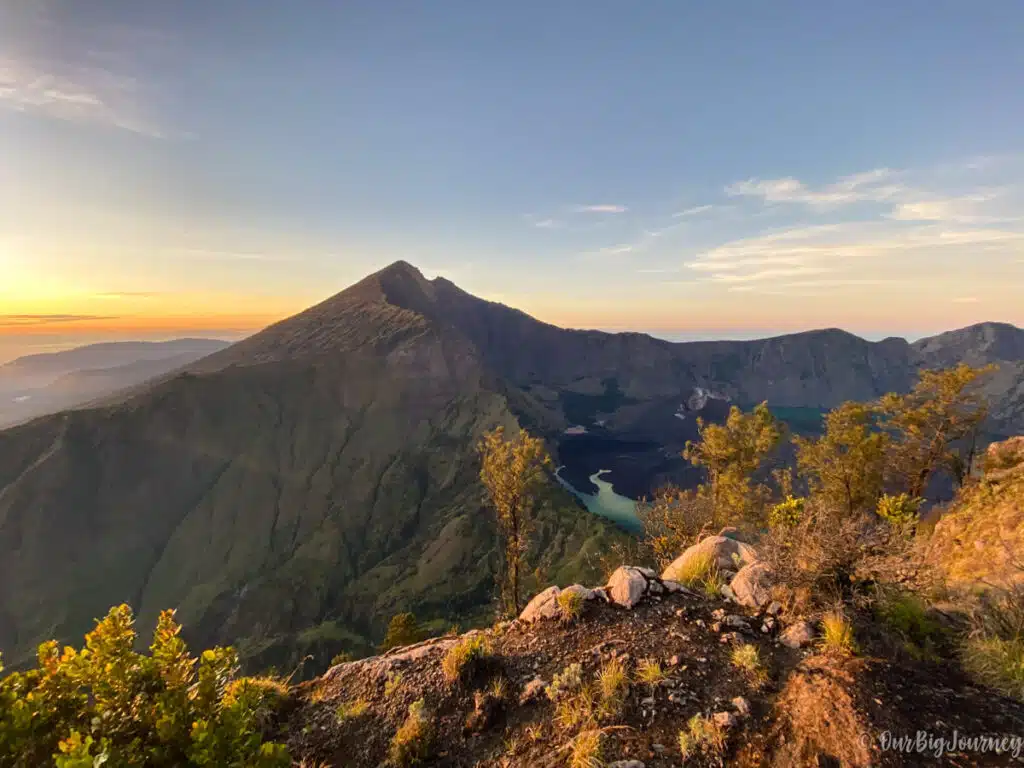
A volcano summit at 3,726 m on Lombok, reached in two or three days from Senaru or Sembalun. It is the hike here with the highest reward-to-days ratio.
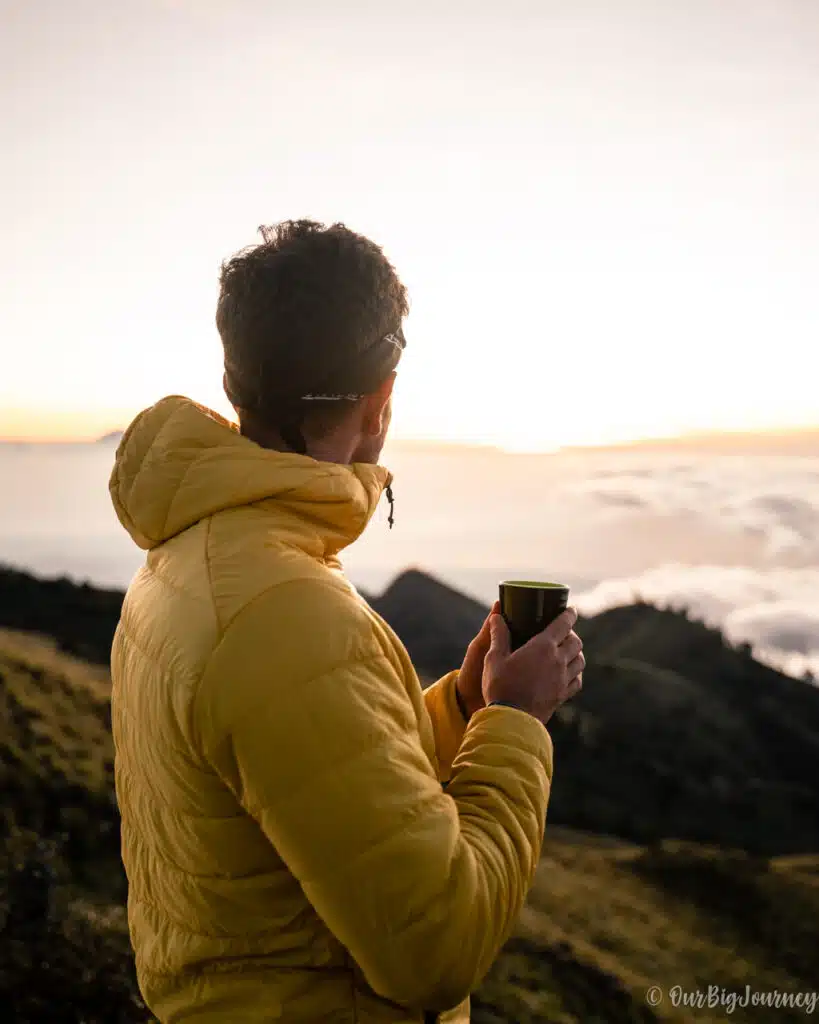
The three-day version is the one to take. It camps on the crater rim, descends to the hot springs beside Segara Anak lake inside the caldera, then climbs out, and the summit push starts around 2 am on loose volcanic scree that slides underfoot.

| Detail | Mount Rinjani |
| Days | 2 to 3 |
| Summit | 3,726 m |
| Sleeping | Tents, carried by porters |
| Cost | USD 150 to 300 guided, all-inclusive |
| Guide and porters | Compulsory |
| Season | April to December, closed roughly January to March |
This is the one route on the list where camping is unavoidable, and where porters carry remarkable loads on flip-flops. Tipping matters properly, and reputable operators cap loads and provide proper gear.
Altitude is a mild factor rather than a serious one at 3,726 m, though the 2 am summit start in cold wind catches people who treated it as a tropical holiday hike.
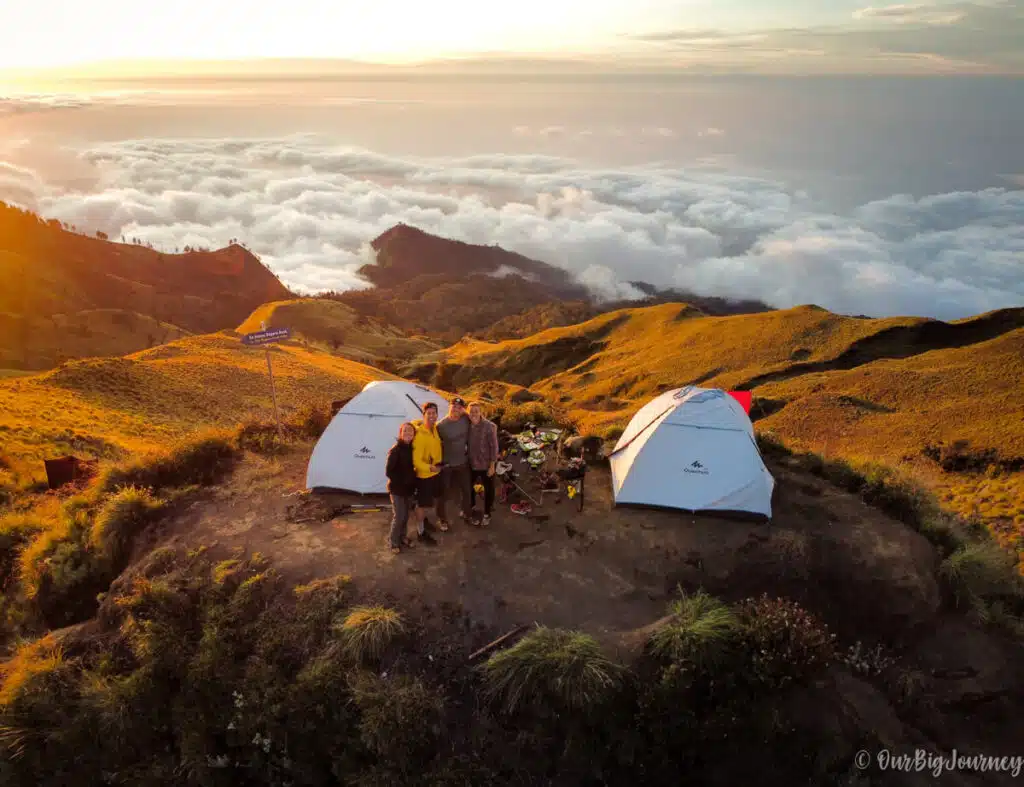
Mount Rinjani Second Summit Hike
We did the 2-day version to the second summit, above 3000 meters in a demanding trek. We guarantee you is a hike to remember.
5. Valbona to Theth, Albania: The Cheapest Great Hike in Europe
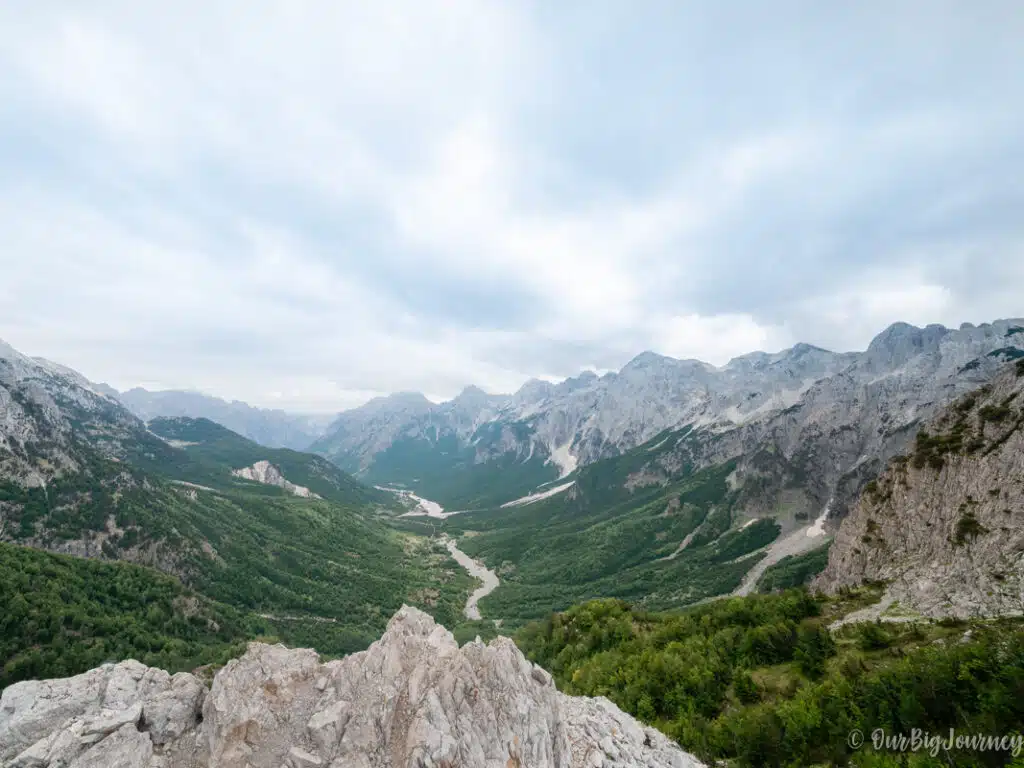
A 17 km day hike over the Valbona Pass at 1,759 m through the Albanian Alps, linking two remote valleys with no road between them. On its own, it is one long day, and it also forms part of the 192 km Peaks of the Balkans circuit across Albania, Kosovo and Montenegro.
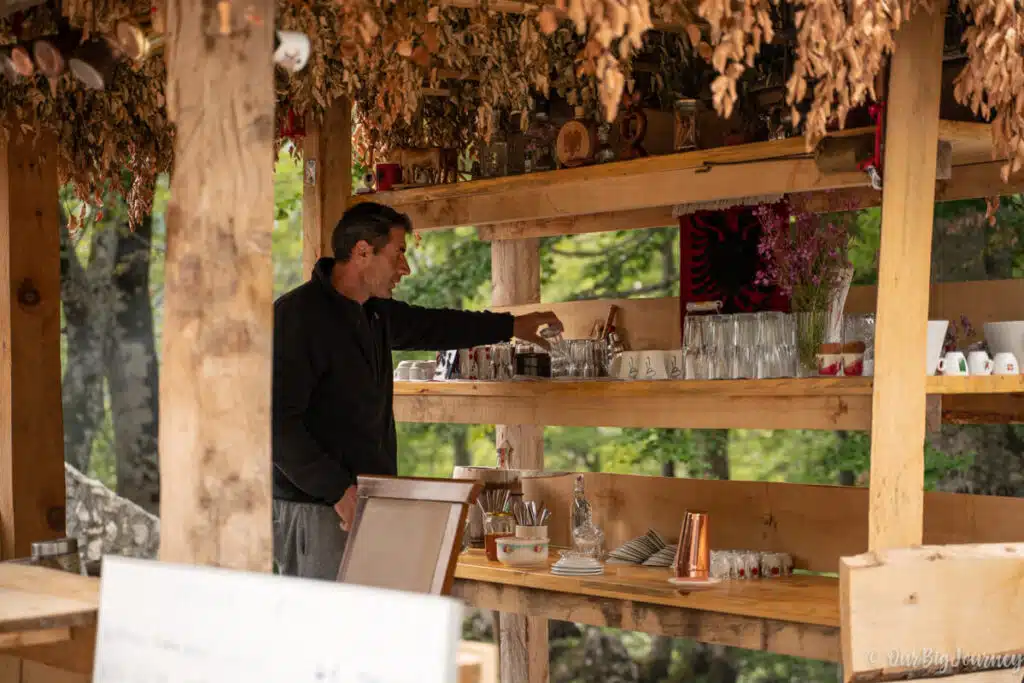
The cost is what sets it apart. Family guesthouses in Valbona and Theth charge EUR 25 to 40 a night with dinner and breakfast included, which makes a week here cheaper than two nights in a Patagonian refugio.


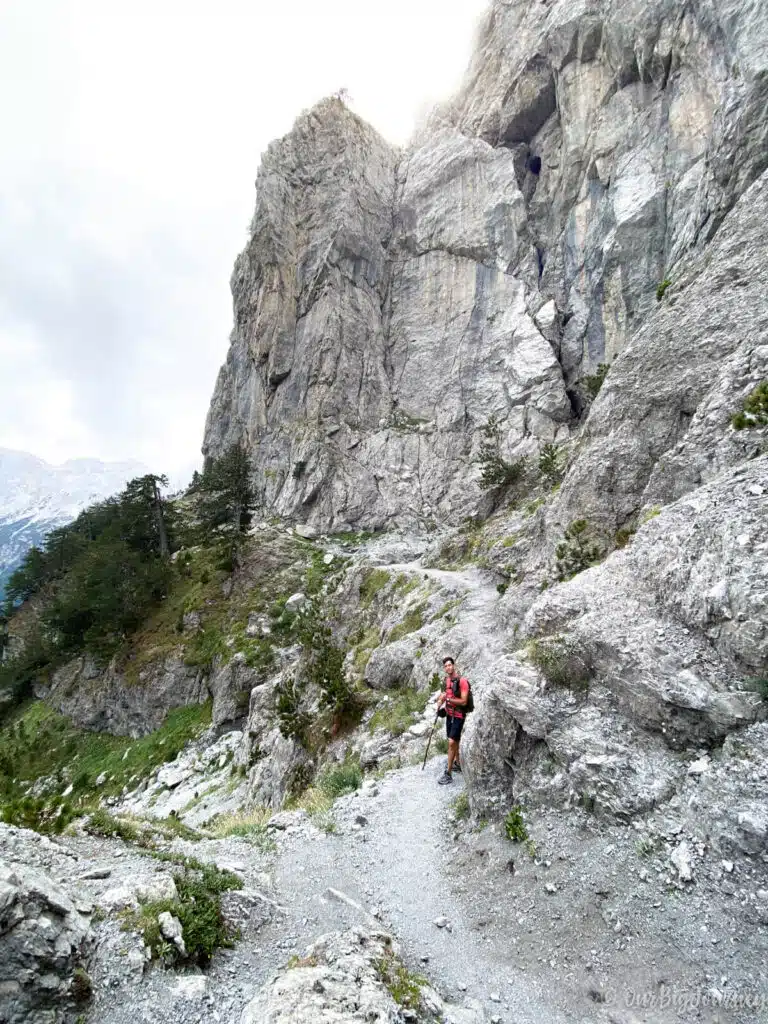
Getting there is half the experience. The route from Shkodër runs by ferry up Lake Koman, a three-hour trip through a flooded gorge, then by minibus to Valbona, and the whole connection costs under EUR 25.

For the full circuit, cross-border permits are required for the Albania, Kosovo, and Montenegro sections, costing around EUR 15 to 25 each and arranged a few weeks ahead through local agencies.
6. The W Trek, Torres del Paine: The Most Expensive Days on the List
An 80 km route through Chilean Patagonia taking four to five days, with a high point around 1,200 m and the famous viewpoint beneath the three granite towers. The altitude is the lowest here, and the weather is the most violent.
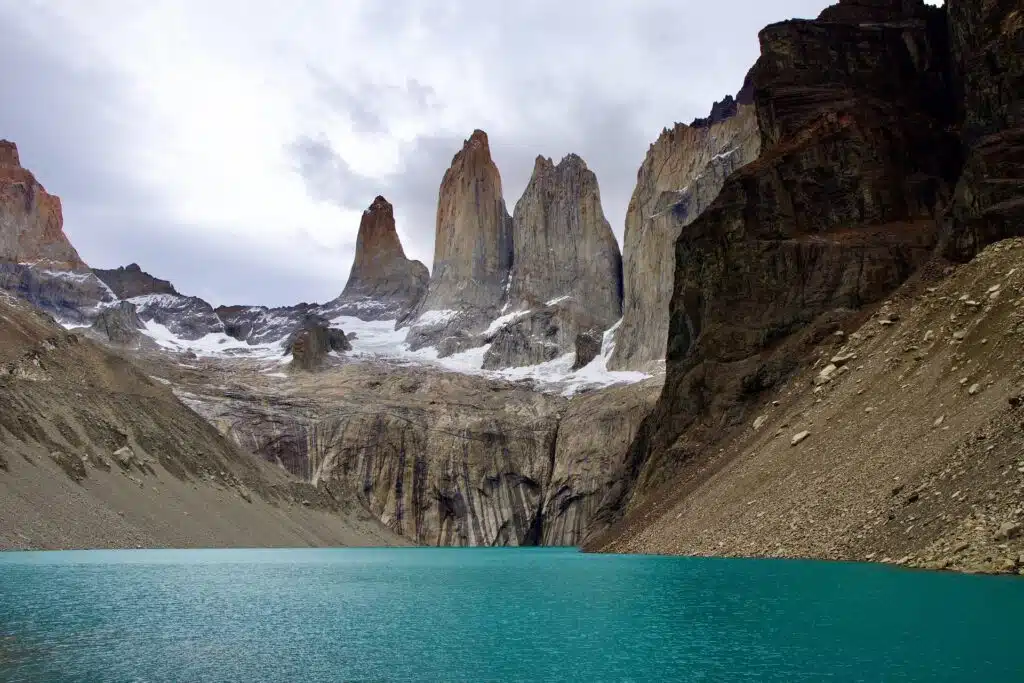
Costs are the outlier. Refugio dorm beds run USD 80 to 130 a night, camping with rented equipment is not much cheaper, park entry adds around USD 35, and catamaran and bus transfers stack on top. A self-organised W Trek lands between USD 900 and USD 1,800.
Patagonian wind is the real difficulty. Gusts above 100 km/h are routine, four seasons can pass in an afternoon, and the Base Las Torres climb in sleet is harder than its modest elevation suggests.
Bookings open in the Chilean winter for the following season and sell out quickly, since park rules require a confirmed bed or campsite for every night on the route.
Which Hike Should You Choose?
Match the route to the constraint that matters most, whether that is time, budget, altitude tolerance, or how far ahead planning is possible.
| If you want | Choose |
| The highest altitude and biggest mountains | Everest Base Camp |
| Alpine huts, good food, no altitude risk | Tour du Mont Blanc or Alta Via 1 |
| A big summit in a long weekend | Mount Rinjani |
| Lowest budget with good views | Valbona to Theth |
| Epic Patagonia and risky | The W Trek |
| To book a few weeks out rather than months | Mount Rinjani or Valbona to Theth |
| A first multi-day hike with a child | Alta Via 1 in sections, or Valbona to Theth |
For a first long-distance hike, Alta Via 1 or the Tour du Mont Blanc are the gentler introductions, since both have huts, bail-out points and no acclimatisation to manage. Everest Base Camp is the one to build toward, and a 3,000 to 4,000 m route first makes it a far better trip.
How Should You Train for a Multi-Day Hike?
Train for repeatability rather than for a single long effort. The demand is walking five to seven hours, then doing it again the next morning, and eight to twelve weeks of preparation covers every route here. For the long trekkings you can follow the next training:
- Weeks 1 to 4: three walks of 60 minutes a week, one with hills. Wear the actual boots.
- Weeks 5 to 8: add a weekend walk building to 4 hours with a 6 to 8 kg pack.
- Weeks 9 to 10: one back-to-back weekend, walking 5 hours one day and 4 the next.
- Final week: rest.
Stairs beat flat distance for the Himalayan and Dolomite routes, both of which are largely stone steps. Descending deserves deliberate practice, since downhill walking causes the deep quad soreness that arrives on day two and lingers.
Altitude cannot be trained for at home. It is governed by ascent rate, which is why the Everest itinerary includes two rest days and why cutting them roughly doubles the risk of getting sick.
What Does Each Hike Cost in 2026?
Costs split into three bands, and the pattern surprises people. The highest-altitude hike is cheaper per day than the lowest one.
| Hike | Cost per day | What drives it |
| Valbona to Theth | EUR 30 to 50 | Guesthouse half board, minimal transport |
| Mount Rinjani | USD 50 to 100 | Short trek, guide and porters included |
| Everest Base Camp | USD 100 to 160 | Lukla flights, permits, guide, lodges |
| Alta Via 1 | EUR 110 to 160 | Rifugio half board, transfers |
| Tour du Mont Blanc | EUR 130 to 200 | Refuge half board across three countries |
| W Trek | USD 180 to 360 | Refugio beds, park fee, catamaran transfers |
Insurance is the line not to cut on the two high routes. Policies for Everest must state cover for trekking to 6,000 m and helicopter evacuation, at USD 150 to 250, since a rescue flight to Kathmandu is billed at USD 4,000 to 6,000 without it. Standard travel insurance stops at 3,000 m, below the high point of four of these six hikes.
Frequently Asked Questions
1. Which of these hikes is the hardest?
Everest Base Camp on altitude, and the Tour du Mont Blanc on cumulative ascent at around 10,000 m. Neither needs technical skill.
2. Do any of them require climbing experience?
No. All six are walking routes. Alta Via 1 has short exposed sections with fixed cables but needs no via ferrata kit.
3. Which can be done without booking months ahead?
Mount Rinjani and Valbona to Theth, both arrangeable two to four weeks out. The W Trek and Tour du Mont Blanc need five to eight months.
4. Is camping necessary on any of them?
Only Mount Rinjani, where porters carry the tents. The other five have teahouses, refuges, rifugi, guesthouses, or refugios.
5. Which hike suits a family with children?
Alta Via 1 walked in sections, or Valbona to Theth, both with low altitude and short days. Everest Base Camp suits confident walkers from around twelve on an extended itinerary.
6. Where is altitude sickness a real risk?
Everest Base Camp above all, and mildly on Mount Rinjani at 3,726 m. The other four stay below 2,800 m.
7. Which gives the best value?
Valbona to Theth for cost, and Alta Via 1 for scenery per euro. Everest Base Camp is the better value of the two high-altitude options once flights and permits are counted.